
What is it?
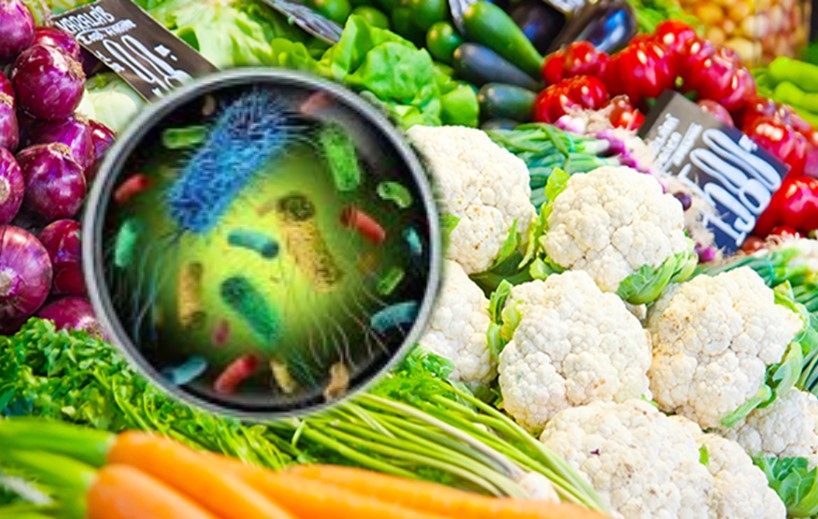
Cyclospora is a tiny parasite that can get into your gut and cause a nasty stomach illness called cyclosporiasis. It spreads when food or water gets contaminated with the parasite, usually through fresh produce grown or processed in areas where sanitation is poor.
How do you get it?
In the U.S., most cases come from imported fresh produce, especially:
- Cilantro and other fresh herbs
- Leafy greens
- Berries
- Snap peas
Outbreaks tend to happen in late spring through fall. You generally can’t catch it directly from another sick person, so if someone in your household has it, the rest of the family isn’t automatically at risk unless you shared the same contaminated food.
What does it feel like?
Symptoms usually show up about a week after eating contaminated food, though it can take anywhere from 2 days to 2 weeks. Watch for:
- Watery diarrhea that won’t quit (this is the hallmark symptom, and it can drag on for weeks)
- Not feeling hungry, losing weight without trying
- Cramping, bloating, nausea
- Feeling tired and run down
- A mild fever
One frustrating feature: symptoms can seem to go away and then come roaring back.
When to see a doctor
If you have watery diarrhea lasting more than a few days, especially with fatigue or unintended weight loss, see your doctor. Mention any recent meals with fresh herbs or produce, and any travel. This isn’t something a standard stool test always catches, so your doctor may need to order a specific test for it.
How it’s treated
A course of antibiotics (trimethoprim-sulfamethoxazole, often known by the brand name Bactrim) clears it up in most people. If you’re allergic to sulfa drugs, tell your doctor. There isn’t a great substitute, so this may take more consultation to sort out.
How to protect yourself
- Wash produce well, but understand this isn’t foolproof. Once contaminated, washing alone may not remove the parasite.
- Stay alert to food recalls. The FDA and CDC post advisories when specific produce is linked to outbreaks.
- Be cautious with untreated water when traveling in regions with unreliable sanitation.
- Regular kitchen disinfectants don’t reliably kill this parasite, so prevention really comes down to sourcing and washing produce carefully rather than trying to “clean it away” after the fact.
Bottom line Cyclospora is uncommon but not rare, and it’s almost always tied to what you ate rather than who you were around. If you develop persistent watery diarrhea, don’t tough it out. Get tested; it responds well to treatment once properly diagnosed.